Next Gen Station 7
Building the future of emergency response for Crofton, Davidsonville, Gambrills and surrounding communities
The Need
Our Station Has Served Us Well. But We've Outgrown It.
More than fifty years ago, Station 7 was built to serve what was then a quiet, rural farming community. It was the right station for its time. But the community has grown dramatically since then, and the demands on our firefighters and EMTs have grown with it. Today, AVFD responds to 4,500+ emergency calls per year — and our station simply wasn't designed for that mission.
The most visible problem is space. AVFD operates six front-line emergency vehicles, but Station 7 has only five bays. One of our vehicles literally does not fit inside the building. On any given shift, the duty crew can be as large as seventeen people — career firefighters and volunteers working side by side. But the station has only eleven beds, only eight seats at the dinner table, and just two showers shared among everyone. There aren't enough places to sleep, to eat, or to take care of basic needs after a grueling call.
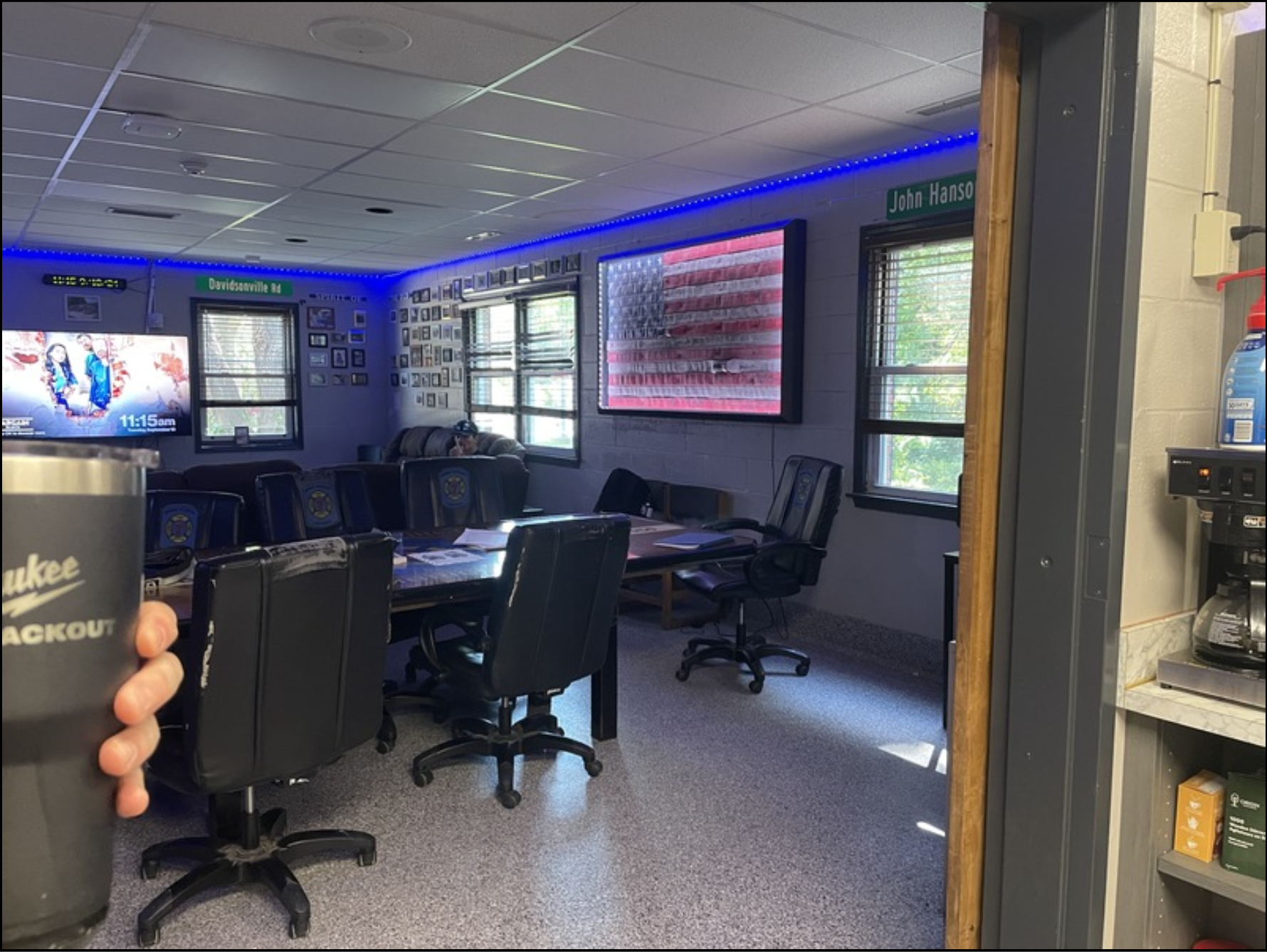
But the most urgent problem isn't about comfort — it's about safety. The current station has no hot/cold zone separation. When firefighters return from a structure fire covered in carcinogenic soot and chemicals, they decontaminate on the front ramp — the same area where they eat, train, and live. There are no dedicated decontamination facilities, no turnout gear cleaning equipment, and no transition areas to keep toxic contaminants out of living spaces. This isn't a theoretical concern. Firefighter cancer rates are significantly elevated compared to the general population, and proper station design is one of the most effective ways to reduce that risk. Our firefighters deserve a workspace that doesn't compromise their health.
The station does not comply with current NFPA 1550, 1710, or 1720 standards for fire station design. It is not ADA compliant. There is no dedicated training space, so firefighters train in living areas and storage sheds — improvising where they should be preparing. There is no dedicated safe station area or medical treatment space for community members who walk in seeking help. And when AVFD hosts CPR classes, community meetings, or public safety education events, members give up their own living space to make room.
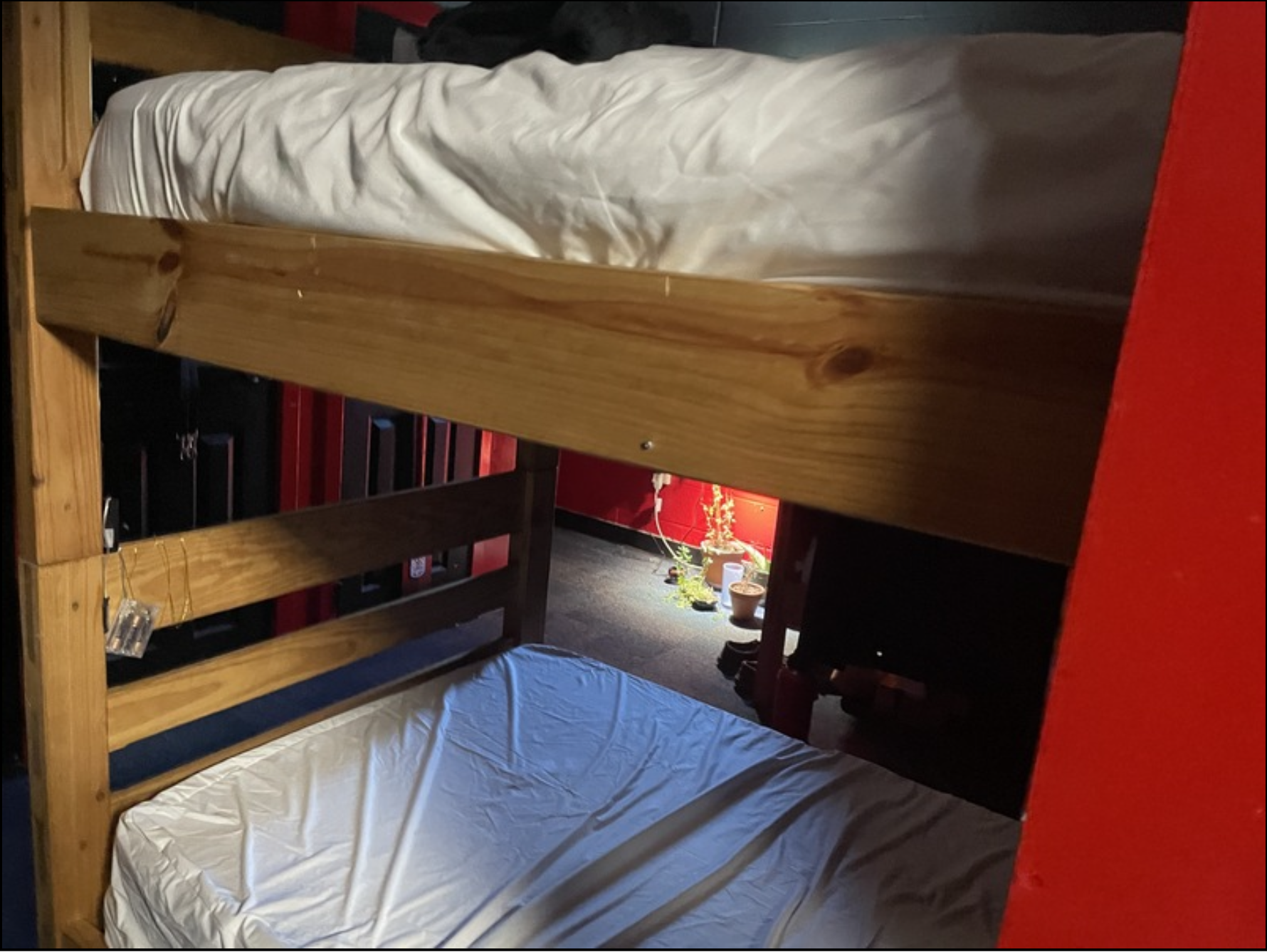
The men and women of AVFD — career and volunteer alike — show up every day and make it work. They always have. But there is a growing gap between what our community needs and what this station can deliver. Closing that gap means building a station designed for the mission we have today and the community we'll be serving for decades to come.
The Vision
A Station Designed for the Next 50 Years
A next-generation Station 7 must meet the real-world needs of our firefighters, our EMS providers, and the community we serve. These aren't luxuries — they're the minimum requirements for a modern emergency services facility.
Space for Equipment
Room for up to 8 emergency response vehicles to accommodate current operations and projected 30% growth. Every vehicle should be under roof and ready to roll — no apparatus sitting outside exposed to the elements or blocking bay access.
Space for People
Enough beds, seats at the table, and living space for the full integrated career and volunteer duty crew — up to 23 responders. No one should have to choose between sleeping in shifts or going home.
Health and Safety by Design
Full hot/warm/cold zone separation with proper transition spaces and decontamination areas for both equipment and personnel. Cancer reduction isn't optional — it must be built into the station's DNA. NFPA-compliant and ADA-compliant design throughout.
Community Space
A dedicated meeting room for community events, training classes, and public safety education — continuing AVFD's tradition of community engagement without displacing the crew from their living quarters.
Safe Station
A dedicated, access-controlled area for safe station programs and medical walk-ins from the community — providing a secure, welcoming space for people who need help.
Training Facilities
On-site training space so firefighters and EMTs can train where they work, safely and effectively — no more improvising in living areas and storage sheds.
The Live-In Program
More Volunteers. Better Trained. Safer Community.
A next-generation Station 7 would include something that has never existed in Anne Arundel County: purpose-built live-in quarters for a volunteer residential program.
A First for Anne Arundel County
The live-in model is proven at fire departments across the country but would be the first program of its kind in Anne Arundel County. The concept is straightforward: provide affordable, purpose-built dorm rooms for motivated volunteers — especially young adults who might otherwise be priced out of the area — in exchange for their commitment to serve.
Live-in volunteers gain more operational experience faster because they're on-site and responding to calls daily. That increased experience translates directly into greater mission effectiveness and improved responder safety. With enough live-in volunteers, AVFD could staff one firefighting vehicle and one ambulance on a 24/7 basis — a significant boost to the department's response capability and the community's safety.
In a region where housing costs continue to rise, a live-in program opens the door to volunteer service for people who want to serve but can't afford to live nearby. It's a smart investment in both the department's future and the community's safety.
By the Numbers
Current Station vs. Next Gen Requirements
| Current Station 7 | Next Gen Requirements | |
|---|---|---|
| Vehicle Bays | 5 (need 6) | 8 (room for growth) |
| Max Duty Crew Beds | 11 (segregated) | 23 (integrated career + volunteer) |
| Dinner Table Seats | 8 | 23 |
| Live-In Beds | 0 | 12 (6 private dorm rooms) |
| Showers | 2 (shared by 11+) | Adequate for full crew |
| ADA Compliant | No | Yes |
| NFPA Compliant | No | Yes |
| Decontamination | Front ramp only | Level 1 and Level 2 facilities |
| Training Space | Living areas / sheds | Dedicated on-site |
| Safe Station Area | None | Dedicated & access-controlled |
Our History
A Tradition of Community Partnership
A next-generation Station 7 would be the third station in AVFD's history — and every chapter of that history has been built on partnership between the community and the county. In the 1950s, volunteers built the original station on farmland donated by a local family. In 1971, Anne Arundel County contributed $135,000 toward a new $151,000 station, with AVFD volunteers making up the difference. That station — the one still in service today — has protected this community for more than half a century. Now it's time to write the next chapter, together.
Stay Informed
Want to stay updated on the Next Gen Station 7 project?
Follow AVFD on social media for the latest news and updates: